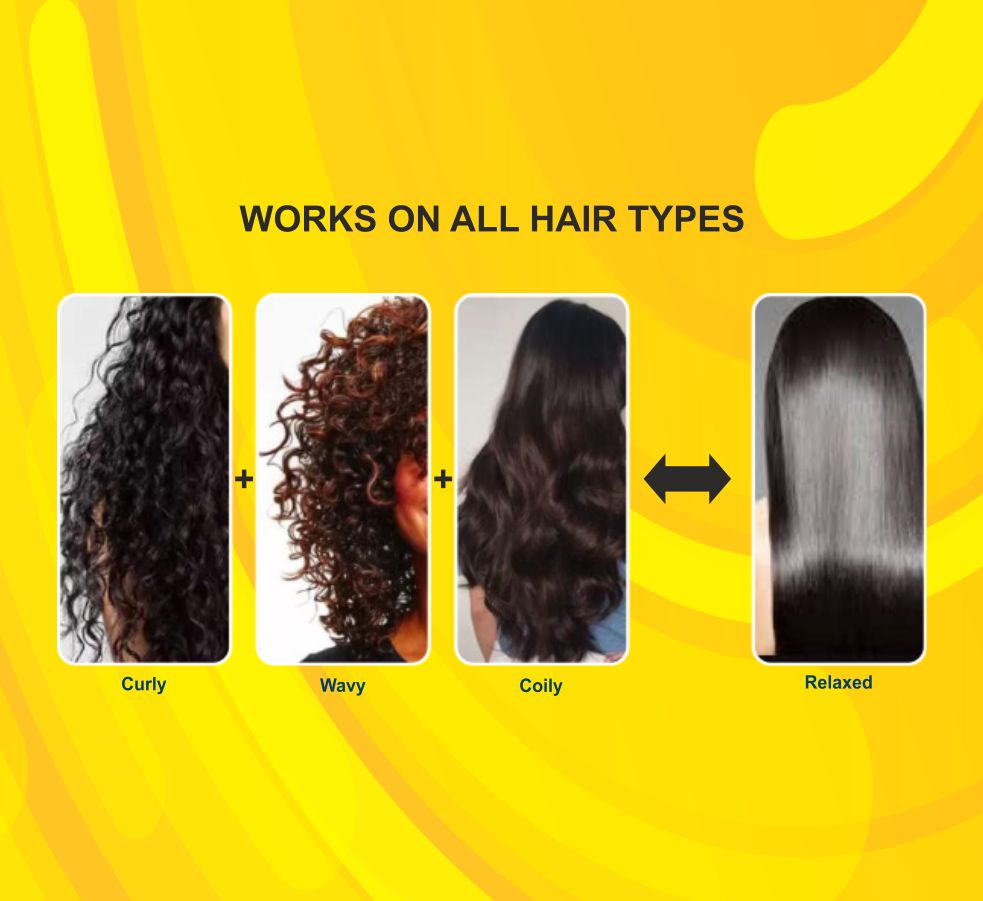
Hair relaxers are commonly used by individuals with curly or textured hair to achieve a smoother, straighter look. While the allure of sleek and manageable hair is undeniable, many people are unaware of the chemical processes involved in hair relaxing and the types of chemicals used in these products. Hair relaxers work by altering the structure of the hair, breaking down the natural bonds that give it its curl. However, the chemicals involved in the process can be harsh on both the hair and the scalp if not used correctly.
In this blog post, we will provide an in-depth guide to the chemicals used in hair relaxers. We’ll cover their functions, potential side effects, and how to choose the right product to achieve the desired results while minimizing damage. Whether you are considering a hair relaxer treatment or simply want to understand more about what goes into these products, this comprehensive guide will help.
What Are Hair Relaxers?

Hair relaxers are chemical products that permanently straighten curly or wavy hair. These products are widely used by people with naturally curly hair who want a smoother, sleeker texture. The active ingredients in hair relaxers work by chemically altering the structure of the hair’s protein bonds, specifically the disulfide bonds, which are responsible for the hair’s curl pattern.
Hair relaxers are available in different formulations and strengths to cater to various hair types and textures. However, regardless of the brand or type, they all contain specific chemicals designed to weaken or break down the natural bonds in the hair shaft, leading to straighter hair.
Common Chemicals in Hair Relaxers
Hair relaxers contain a combination of chemicals designed to break the disulfide bonds in the hair. The specific chemicals used depend on the type of relaxer and the strength required to achieve the desired results. Below are the most commonly used chemicals in hair relaxers:
One of the most well-known ingredients in hair relaxers is sodium hydroxide, commonly referred to as “lye.” Lye-based relaxers are among the most effective and are often used for coarse or tightly curled hair. Sodium hydroxide works by breaking the disulfide bonds in the hair and allowing it to straighten. This process is powerful, but it can also be quite harsh on the scalp and hair if not used properly.
How It Works:
Sodium hydroxide is a highly alkaline chemical that works by swelling the hair shaft, making it more susceptible to chemical treatment. It breaks down the protein structure in the hair, allowing the curl pattern to loosen and straighten.
Risks and Side Effects:
While sodium hydroxide-based relaxers are effective, they can cause severe scalp irritation, chemical burns, and dryness if the product is left on too long or applied improperly. It is crucial to follow the instructions carefully and perform a patch test before using a sodium hydroxide relaxer.
Another common ingredient in hair relaxers is calcium hydroxide, which is often found in no-lye relaxers. Calcium hydroxide is typically combined with guanidine carbonate to create a formulation that straightens the hair. These relaxers are less irritating to the scalp than lye-based products, making them a preferred choice for people with sensitive skin.
How It Works:
Calcium hydroxide, in combination with other chemicals like guanidine carbonate, works to break down the bonds in the hair and straighten it. These relaxers are known for being gentler than lye relaxers but can still effectively straighten thick or coarse hair.
Risks and Side Effects:
While no-lye relaxers are less likely to cause scalp burns than their lye-based counterparts, they can still lead to dryness, hair breakage, and potential damage to the hair cuticle. The calcium hydroxide can be harsh on the scalp if not applied carefully, and overuse can result in damaged or brittle hair.
3. Guanidine Hydroxide
Guanidine hydroxide is often used in no-lye relaxers, typically combined with calcium hydroxide to create a gentle yet effective straightening solution. This chemical is commonly found in relaxer formulations marketed as less damaging than sodium hydroxide-based products.
How It Works:
Guanidine hydroxide works by weakening the disulfide bonds in the hair, allowing them to straighten. It is more commonly used in combination with calcium hydroxide because it helps to activate the product’s straightening effects without being as harsh on the scalp.
Risks and Side Effects:
Although guanidine hydroxide-based relaxers are less irritating than sodium hydroxide products, they still carry risks. Overuse of these products can lead to excessive dryness, hair breakage, and scalp irritation. It’s essential to follow instructions carefully and avoid leaving the relaxer on the hair longer than recommended.
4. Ammonium Thioglycolate
Ammonium thioglycolate is a chemical often used in permanent wave solutions, but it can also be found in some hair relaxers, particularly those labeled as “thio-based” relaxers. This chemical works by breaking down the disulfide bonds in the hair, similar to other relaxers but with a different chemical composition.
How It Works:
Ammonium thioglycolate works by reducing the sulfur-sulfur bonds (disulfide bonds) in the hair, allowing the hair to straighten. It is commonly used in perming solutions and in hair relaxers that aim to provide a more flexible or softer straightening effect.
Risks and Side Effects:
Ammonium thioglycolate can be harsh on the hair and scalp if not used correctly. It may cause dryness, breakage, or chemical burns if the product is left on too long or applied improperly. For those with sensitive skin, this ingredient can also lead to irritation or allergic reactions.
5. Formaldehyde and Formaldehyde-Releasing Chemicals
While not a primary ingredient in most relaxers, formaldehyde and formaldehyde-releasing chemicals are often present in some keratin treatments and straightening products. These chemicals are used to lock the hair into a straight form after the relaxer treatment is applied. However, formaldehyde is a known carcinogen, and exposure to it can lead to significant health risks.
How It Works:
Formaldehyde and formaldehyde-releasing chemicals help to bond the hair and straighten it by cross-linking the proteins in the hair shaft. The chemical is activated by heat, which locks the hair into a straighter configuration.
Risks and Side Effects:
Formaldehyde is linked to serious health risks, including respiratory issues, skin irritation, and an increased risk of certain cancers. For this reason, many hair care experts recommend avoiding products that contain formaldehyde or formaldehyde-releasing chemicals. Additionally, the fumes generated during the application process can be toxic when inhaled, making it essential to use proper ventilation and protective gear during treatments.
How to Choose the Right Hair Relaxer for Your Hair Type
When choosing a hair relaxer, it’s crucial to consider your hair type, texture, and sensitivity to the chemicals used. Here are a few factors to consider when selecting the right relaxer:
1. Hair Type and Texture
Different relaxers are formulated for different hair textures. For instance, if you have coarse, thick, or tightly curled hair, you may need a stronger relaxer with ingredients like sodium hydroxide (lye) or guanidine hydroxide. On the other hand, if your hair is fine or medium-textured, you may prefer a milder relaxer or a no-lye formula.
2. Sensitivity to Chemicals
If you have a sensitive scalp or skin, you may want to avoid relaxers that contain sodium hydroxide, as this chemical can cause irritation or chemical burns. No-lye relaxers, which contain guanidine hydroxide or calcium hydroxide, are often less irritating and may be a better option for those with sensitive skin.
3. Desired Results
The strength of the relaxer determines how much curl is removed. For dramatic straightening results, you may opt for a stronger relaxer, but keep in mind that stronger formulations can cause more damage. If you’re looking for a more subtle straightening effect, a milder relaxer may be more appropriate.
4. Aftercare and Maintenance
Relaxing your hair requires ongoing maintenance to keep it healthy and strong. Regardless of the relaxer type, you will need to follow up with a moisturizing regimen and deep conditioning treatments to prevent dryness and breakage. Some relaxers come with aftercare products, such as conditioners and neutralizing shampoos, to help you maintain the results and minimize damage.
Potential Side Effects of Hair Relaxers
Hair relaxers can provide excellent results, but improper use or overuse can lead to several side effects. Here are some of the most common issues associated with relaxer treatments:
One of the most common side effects of hair relaxers is scalp burns. The chemicals used in relaxers can cause severe irritation if left on the scalp too long or if not applied correctly. It’s essential to follow the product instructions and perform a patch test to check for allergic reactions.
2. Hair Breakage
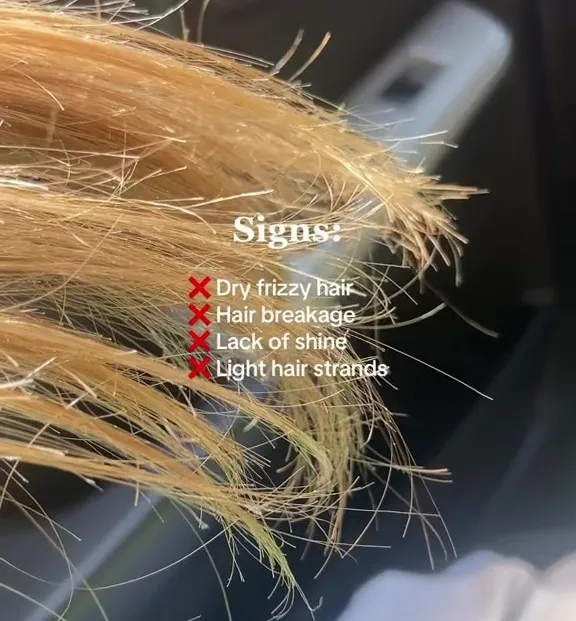
Relaxers can weaken the hair shaft, making it more prone to breakage. Overuse or applying relaxers too frequently can lead to hair thinning, breakage, and a lack of elasticity. Regular conditioning treatments are essential to keep hair strong and healthy after relaxing.
Relaxed hair tends to lose moisture more quickly than natural hair, leading to dryness and lack of shine. It’s crucial to use moisturizing.
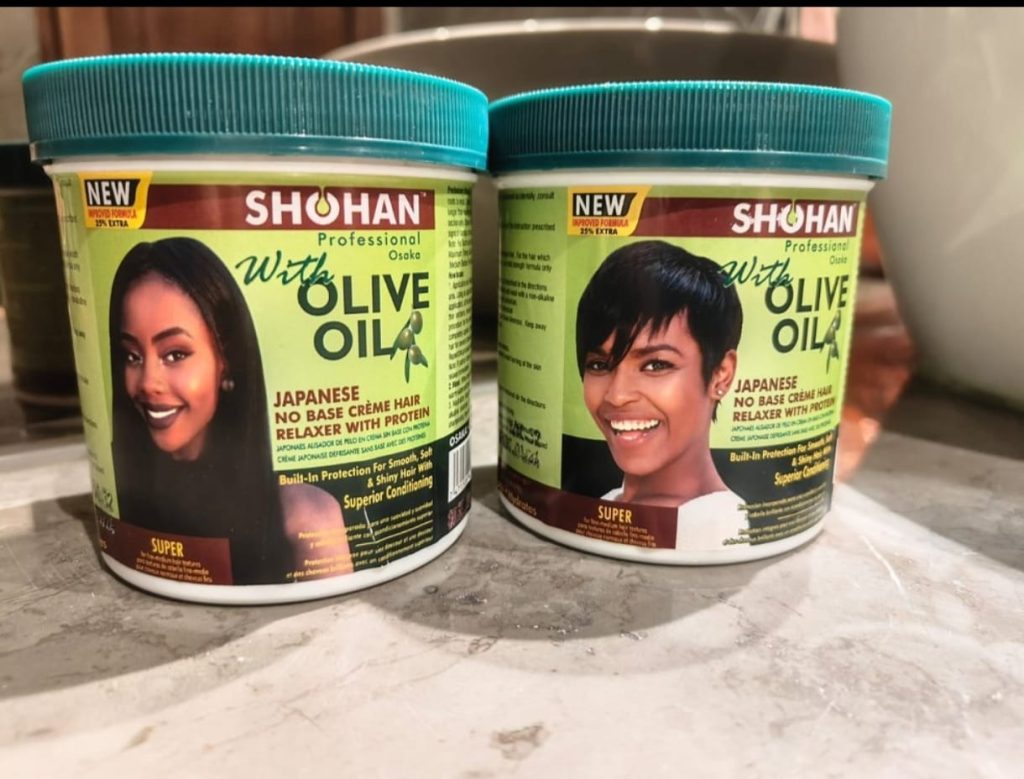
Looking for a Gentler Option? Meet ShoHan Hair Cream Relaxer
Let’s be real—reading about all those heavy-duty chemicals might make you second-guess ever relaxing your hair again. But not all relaxers are created equal. If you’re searching for something that actually cares for your hair while doing the job, ShoHan Hair Cream Relaxer might just be your golden ticket. It’s like the unicorn of the relaxer world—hard to find, but oh-so-worth it once you do.
Why? Because this one comes infused with nourishing olive oil and argan oil. Translation: less breakage, more shine, and that silky-smooth finish we all secretly want without having to sell our soul to heat tools or harsh chemicals. It also skips out on the usual baddies like phthalates, so your scalp and strands don’t have to suffer in silence.
Even better? It offers some protection from heat styling and UV exposure—blessing for those of us who live in places where “humid” is just the default setting. Whether you’re relaxing for the first time or just touching up your roots, ShoHan makes the process smoother, safer, and honestly, way more enjoyable.
Final Thoughts: Your Hair, Your Rules
At the end of the day, your hair journey is personal—whether you rock it natural, straight, or somewhere in between. But if you’re thinking about relaxing those curls, choosing the right product isn’t just important—it’s everything. ShoHan Hair Cream Relaxer isn’t just another item on the shelf. It’s the kind of product that understands the assignment: straighten and nourish, without turning your hair into straw or your bathroom into a chemistry lab.
So go ahead, give your hair the love it deserves. And if you decide ShoHan is the one, trust me—you’ll feel the difference every time you run your fingers through those silky strands.
Because healthy, relaxed hair? That’s not too much to ask. That’s just smart self-care.