For individuals with curly, oily, or kinky hair, achieving straight, manageable hair can often feel like a never-ending struggle. Chemical hair relaxers have long been a popular choice for people seeking sleek, smooth hair, but the word “lye” can make many people wary due to its reputation for being harsh on both the hair and the scalp. Fortunately, hair relaxers without lye provide a safer, gentler alternative that straightens the hair without the risk of irritation or damage associated with lye-based formulas.
In this extensive guide, we’ll explore everything you need to know about hair relaxers without lye—from their benefits and how they differ from traditional lye relaxers, to how to apply them properly and care for your hair post-treatment. Whether you’re new to hair relaxers or simply looking for a gentler option, this guide will help you navigate the world of no-lye hair relaxers with confidence.
What is a Hair Relaxer Without Lye?
A hair relaxer without lye is a chemical product designed to straighten curly, coily, or textured hair without using sodium hydroxide, the primary ingredient found in traditional lye-based relaxers. Instead of sodium hydroxide, no-lye relaxers typically use ingredients like calcium hydroxide or potassium hydroxide. These ingredients help break down the bonds in the hair that contribute to its natural curl or kink, allowing it to become smoother and straighter.
While both lye and no-lye relaxers serve the same purpose of straightening hair, the key difference lies in the ingredients used and the way they affect the hair and scalp. No-lye relaxers are generally considered gentler on the scalp, as they are less likely to cause burns or irritation. However, this gentleness can sometimes result in a longer processing time, requiring users to be more patient during the application process.
Key Benefits of Using Hair Relaxers Without Lye
While hair relaxers with lye are known for providing quicker, more dramatic results, no-lye relaxers offer several benefits that make them an appealing option for many people. Here are some of the key advantages of using a hair relaxer without lye:
1. Gentler on the Scalp
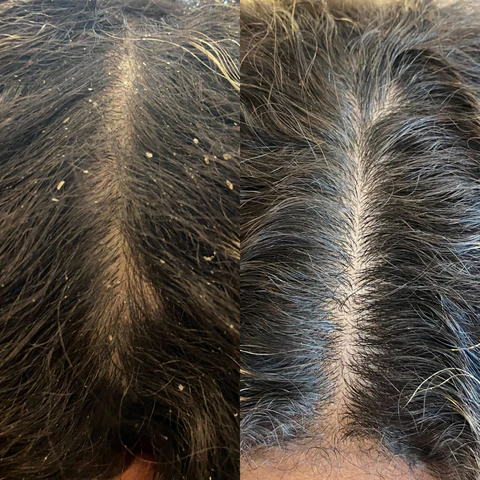
One of the main reasons people opt for no-lye relaxers is their gentler formula, which is less likely to cause scalp irritation, burning, or itching. Lye relaxers can be quite harsh, especially for individuals with sensitive skin or scalps. Because no-lye relaxers use calcium hydroxide or potassium hydroxide instead of sodium hydroxide, they tend to be more forgiving on the skin.
2. Reduced Risk of Over-Processing
Over-processing occurs when a relaxer is left on the hair for too long, which can lead to damage, breakage, and thinning. While lye relaxers are often faster-acting, no-lye relaxers generally take a bit longer to process, giving you more time to monitor the results and reduce the risk of over-processing.
3. Smoother Results with Less Frizz
No-lye relaxers are formulated to leave hair smooth and frizz-free, especially when used with a moisturizing system. This is particularly beneficial for individuals with curly or coarse hair, as it helps achieve sleek, straight hair that maintains a natural shine without excessive frizz.
4. Suitable for a Variety of Hair Types
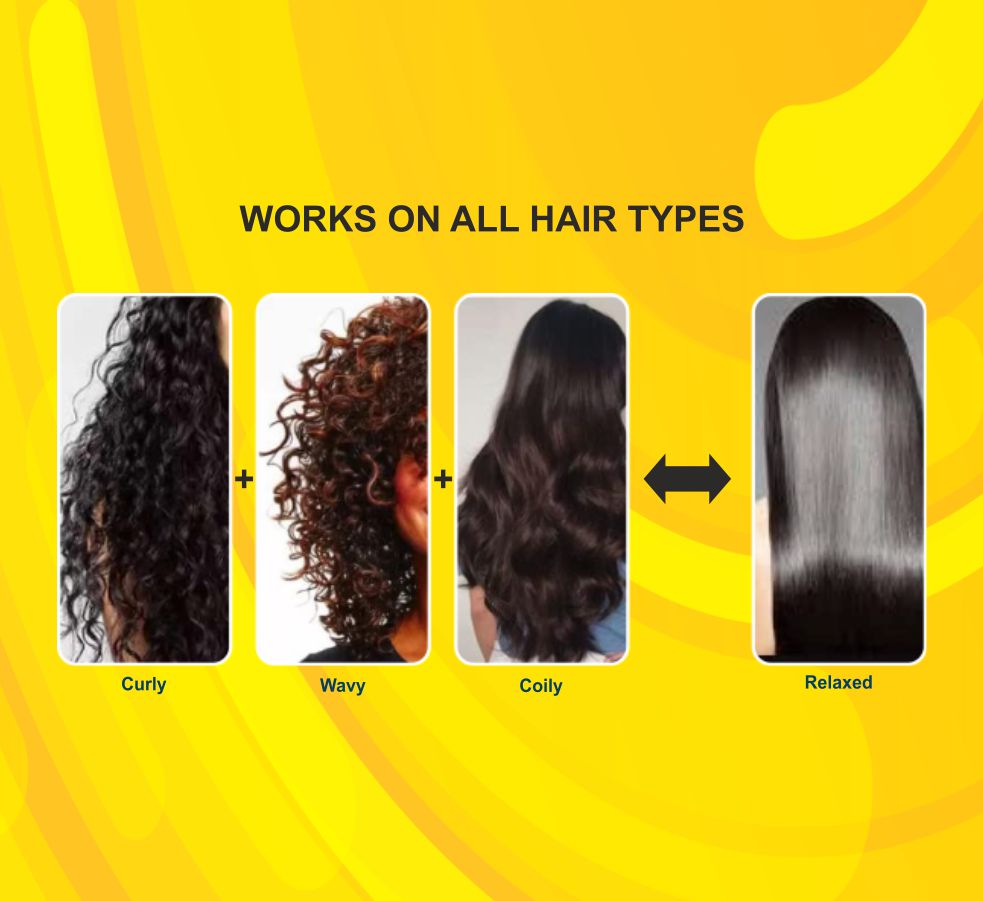
No-lye relaxers are suitable for a wide range of hair types, including fine, coarse, curly, and textured hair. While they are particularly popular among individuals with thick, curly, or coily hair, no-lye relaxers can be adjusted to meet the needs of finer hair as well, making them a versatile option.
5. Reduced Chemical Damage
Lye relaxers can be harsh, stripping the hair of moisture and leaving it feeling dry and brittle. No-lye relaxers, on the other hand, often contain moisturizing agents that help preserve the hair’s natural moisture balance, leaving the hair feeling softer and more manageable after the treatment.
6. Easier to Use at Home
For individuals who prefer to relax their hair at home, no-lye relaxers are often easier to apply on your own, as they tend to be more forgiving in terms of timing and application. Lye relaxers require precise timing and careful application, as the chemicals can cause serious damage if left on for too long. No-lye relaxers, while still requiring attention, provide a bit more flexibility, which can make them a better option for DIY treatments.
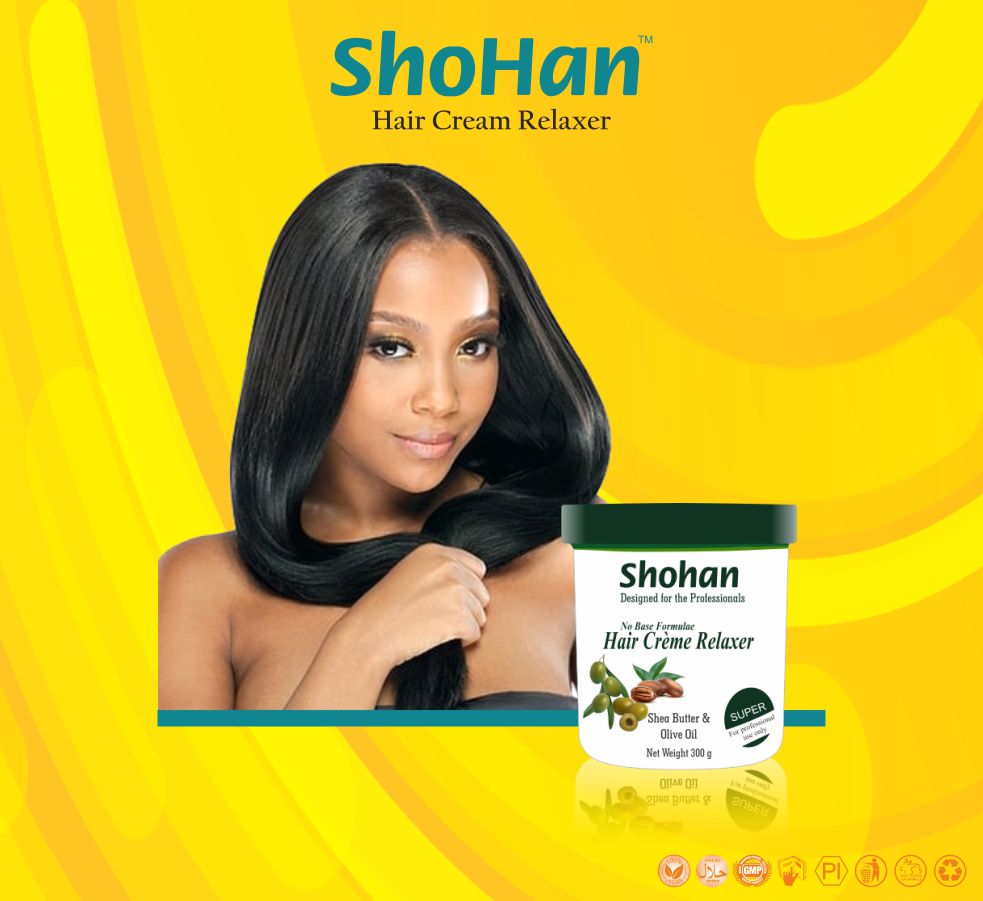
ShoHan Hair Cream Relaxer: Your Go-To for Sleek, Nourished Hair Without the Drama

Let’s be honest—finding a hair relaxer that doesn’t leave you battling dryness, frizz, or breakage is like hunting for a unicorn. But guess what? ShoHan Hair Cream Relaxer might just be that rare magical find. This isn’t your run-of-the-mill relaxer; it packs a punch with the goodness of olive oil and argan oil extracts that work wonders beyond just straightening.
I’ve tried my fair share of relaxers, and let me tell you, some felt like they were trying to strip my hair to the bone. ShoHan, though? It feels like a spa day for your strands. Thanks to the argan oil inside, your hair gets a serious moisture boost—think soft, silky locks that actually look healthy, not just straight. And the olive oil? Well, that’s the secret sauce for thicker, stronger hair that fights back against the daily wear and tear.
One thing I love about this cream is how it tames the frizz monster. You know those days when your hair seems to have a mind of its own, puffing up like a chia pet? ShoHan calms that chaos beautifully, leaving you with a natural-looking, shiny finish. Plus, it’s got built-in protection against UV rays and heat damage—which is a godsend if you live in a sunny place or love your hot tools.
And here’s the kicker: it doesn’t have those nasty phthalates or harsh chemicals that make you second guess your hair care choices. It’s safer, gentler, and honestly feels like a breath of fresh air for sensitive scalps.
Pro tip? Don’t just slap it on and hope for the best. Section your hair carefully, protect your skin with a bit of petroleum jelly (don’t skip this!), and follow the timing instructions. Overdoing it is a no-no, and trust me, patience pays off. After you rinse, use a gentle shampoo and slap on a deep conditioner to keep those strands happy.
So if you want hair that’s straight but still full of life—soft, shiny, and frizz-free—ShoHan Hair Cream Relaxer deserves a spot on your shelf. It’s like giving your hair a hug while straightening it. And who wouldn’t want that?
How Do No-Lye Hair Relaxers Work?
No-lye hair relaxers work by breaking the disulfide bonds in the hair’s cortex. These bonds are responsible for maintaining the natural curl or kink in your hair. When these bonds are broken, the hair becomes straighter and smoother.
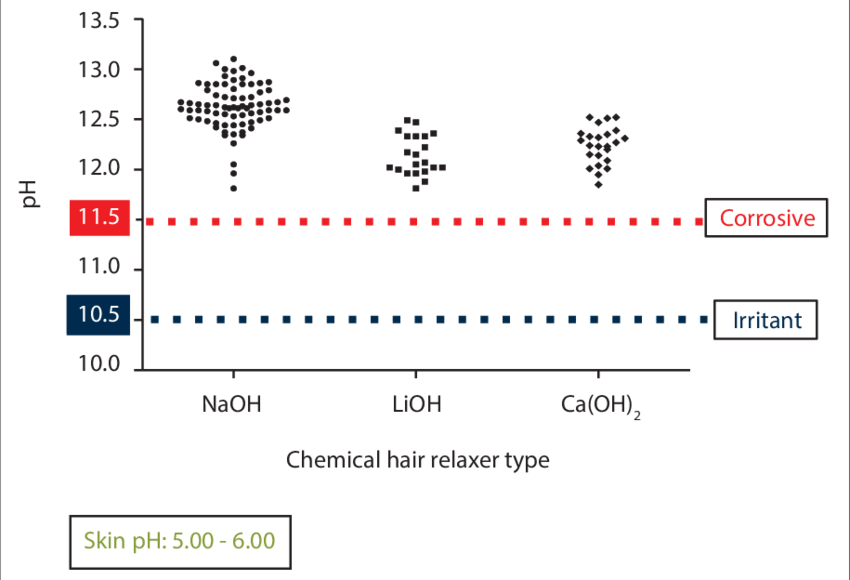
The main difference between lye and no-lye relaxers lies in the chemicals used to break these bonds. Lye relaxers use sodium hydroxide, which has a strong alkaline pH, to break down the disulfide bonds. No-lye relaxers, however, use calcium hydroxide or potassium hydroxide, which are considered to be gentler, but still effective in straightening the hair.
Once the relaxer is applied to the hair, it begins to break the hair’s natural bond structure. After a designated processing time (usually 15 to 30 minutes), the relaxer is rinsed out thoroughly, and the neutralizing process begins. This step is essential to stop the chemical action and restore the hair to a safe pH balance.
How to Apply Hair Relaxers Without Lye
While it’s always recommended to have a professional stylist apply a relaxer, many people choose to do so at home for convenience and cost-saving reasons. If you’re using a no-lye relaxer at home, here’s a step-by-step guide on how to apply it properly:
1. Prepare Your Hair and Scalp
- Avoid washing your hair immediately before the treatment. Natural oils on your scalp help protect the skin from the harsh chemicals in the relaxer.
- Section your hair into four parts (or more if your hair is thick), making it easier to apply the relaxer evenly.
- Apply a protective base (like petroleum jelly or a thick hair oil) along your hairline, ears, and nape of the neck to protect your skin from the relaxer.
2. Mix the Relaxer
Follow the manufacturer’s instructions for mixing the relaxer and activator. This is crucial to ensure the right consistency and effectiveness. Mix until the product is smooth and free of lumps.
3. Apply the Relaxer
Using a relaxer applicator brush, start applying the relaxer to small sections of hair, beginning at the ends and working your way to the roots. Be sure to apply the relaxer evenly and avoid letting it touch your scalp.
Allow the relaxer to sit on your hair for the recommended processing time. Do not exceed this time, as over-processing can lead to hair damage. Typically, this will be between 15 and 30 minutes depending on your hair type and the desired results.
5. Rinse and Neutralize
Once the processing time is complete, rinse the relaxer thoroughly from your hair with warm water. Follow up with a neutralizing shampoo to stop the chemical process. You should lather and rinse the neutralizer multiple times to ensure all chemicals are removed.
6. Deep Condition
After neutralizing, apply a deep conditioning treatment to replenish moisture and repair the hair. Relaxed hair tends to be more vulnerable to dryness, so conditioning is crucial.
7. Style Your Hair
Once your hair has been conditioned and detangled, you can style it as desired. Use a leave-in conditioner or serum to maintain smoothness and shine.
Aftercare for Hair Relaxed Without Lye
Proper aftercare is essential to maintaining healthy, beautiful relaxed hair. Here are some tips to help care for your no-lye relaxed hair:
1. Moisturize Regularly
Relaxed hair tends to dry out quickly, so it’s important to use moisturizing shampoos and conditioners designed for chemically treated hair. Look for products that contain ingredients like argan oil, shea butter, and coconut oil to keep your hair hydrated.
2. Avoid Excessive Heat Styling
Excessive use of heat styling tools can cause further damage to already relaxed hair. Try to limit the use of flat irons, curling irons, and blow dryers. If you must use heat, always apply a heat protectant spray beforehand.
3. Get Regular Trims
Relaxed hair is more prone to split ends and breakage, so make sure to trim your hair every 6-8 weeks to keep it healthy and strong.
4. Use a Silk or Satin Scarf/Pillowcase
When sleeping, protect your relaxed hair by wrapping it in a silk or satin scarf or using a satin pillowcase. This helps reduce friction, which can cause breakage and frizz.
5. Deep Condition Frequently
To keep your relaxed hair soft and strong, incorporate regular deep conditioning treatments into your hair care routine. This will help restore moisture and prevent the hair from becoming dry and brittle.
Conclusion
Choosing the right hair relaxer doesn’t have to mean sacrificing your hair’s health for sleekness. With no-lye relaxers like ShoHan Hair Cream Relaxer, you get the best of both worlds—effective straightening with nourishing ingredients like argan and olive oil that keep your hair soft, shiny, and strong. Just remember, patience and proper care go a long way in maintaining beautiful, frizz-free hair that feels as good as it looks. So go ahead, treat your hair with the gentleness it deserves—and rock that smooth, natural shine with confidence!