In the world of hair care, the search for a solution to manage and tame curly, coarse, or frizzy hair often leads many to consider hair relaxers. One popular type of hair relaxer is the no-lye relaxer. If you’ve been searching for a way to achieve smooth, straight hair without the potential irritation or damage that comes with traditional lye relaxers, a no-lye relaxer may be the answer. In this comprehensive guide, we will dive deep into everything you need to know about no-lye hair relaxers, from how they work to their benefits, the best products available, and how to care for your hair post-relaxer.
What is a No-Lye Hair Relaxer?
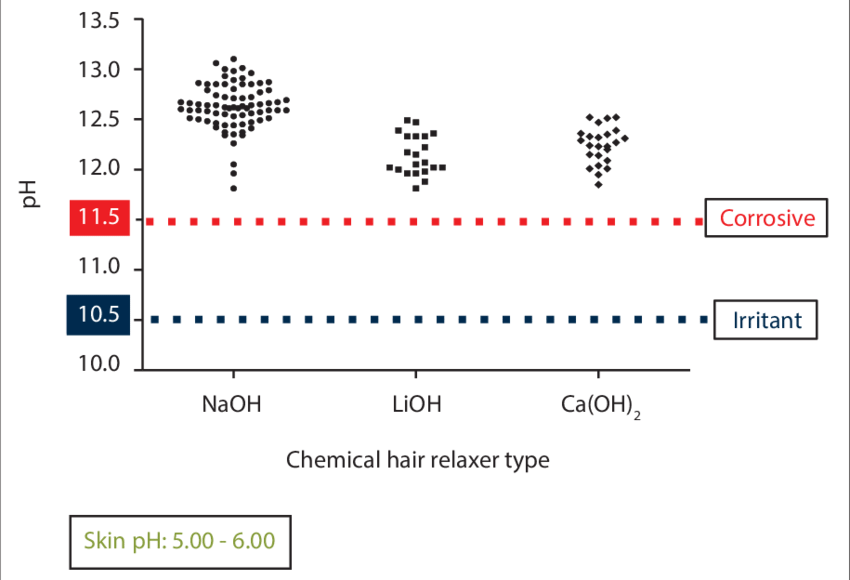
A no-lye hair relaxer is a type of chemical treatment used to straighten and soften curly or coily hair without the use of sodium hydroxide, the harsh ingredient found in traditional lye relaxers. Instead, no-lye relaxers use calcium hydroxide or other gentler alternatives to break down the natural curls in your hair.
The process of relaxing hair involves breaking the disulfide bonds that create the curl in your hair’s protein structure (keratin). When these bonds are broken, the hair is able to be reshaped into a straighter form. While the end result is similar to that of a lye relaxer—smoother, more manageable hair—the no-lye relaxer tends to be a milder option for people with sensitive skin or those who want to avoid the harsh effects of sodium hydroxide.
How Do No-Lye Hair Relaxers Work?
Just like traditional relaxers, no-lye hair relaxers work by chemically altering the structure of your hair to loosen and straighten its curl pattern. However, the difference lies in the active ingredients and how they interact with the hair’s natural proteins.
Active Ingredients in No-Lye Relaxers
- Calcium Hydroxide: The most common ingredient found in no-lye relaxers, calcium hydroxide is less harsh than sodium hydroxide (lye). It works by breaking the disulfide bonds that form the curls in your hair. While it’s gentler on the scalp, calcium hydroxide relaxers may sometimes leave behind mineral deposits that require proper aftercare to avoid dryness and buildup.
- Other Alternatives: Some no-lye relaxers contain potassium hydroxide or guanidine hydroxide, both of which are also milder compared to sodium hydroxide. These alternatives offer similar results in terms of straightening the hair but may have slightly different processing times or results depending on the formulation.
The Process of Using a No-Lye Relaxer
The process of applying a no-lye relaxer follows similar steps to that of a lye relaxer:
- Application: The relaxer is applied to the hair in sections to ensure even coverage. A protective cream or oil is typically applied to the scalp and hairline to avoid irritation or burning.
- Processing: The relaxer is left on the hair for a specific period of time to allow the chemical treatment to break the disulfide bonds. The processing time will vary depending on the strength of the relaxer and the texture of the hair.
- Neutralizing: Once the relaxer has processed, it is thoroughly rinsed out, and a neutralizing shampoo is applied to stop the chemical reaction and restore the hair’s pH balance. This step is crucial to avoid further chemical damage.
- Deep Conditioning: After neutralizing, deep conditioning treatments are often used to restore moisture and strengthen the hair, which can become dry or brittle from the chemical process.
- Styling: Once the relaxer has been completely neutralized and the hair is conditioned, the stylist will style your hair according to your preferences.
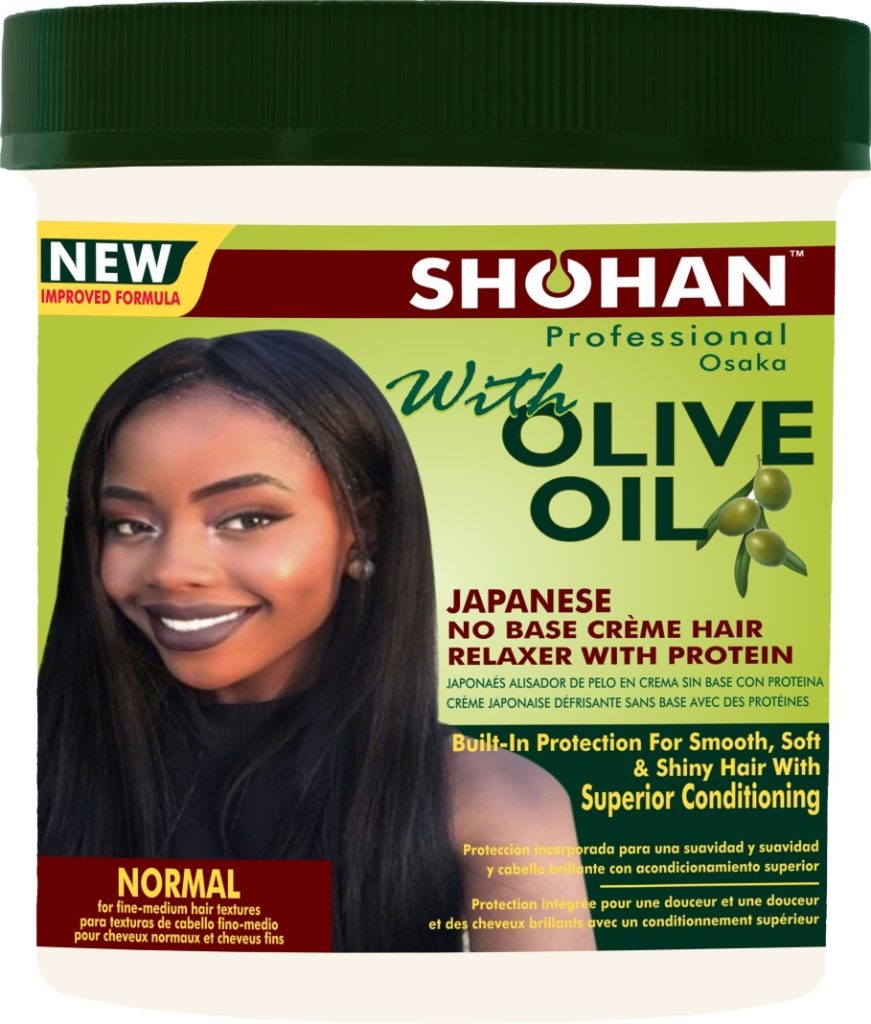
ShoHan Hair Cream Relaxer – The Fuss-Free Fix for Hair That Won’t Listen
Okay, confession time—my hair and I haven’t always been besties. Especially during monsoon season when the frizz level reaches “lion’s mane.” If you know the feeling, ShoHan Hair Cream Relaxer might just be the miracle-in-a-jar you didn’t know you were missing.
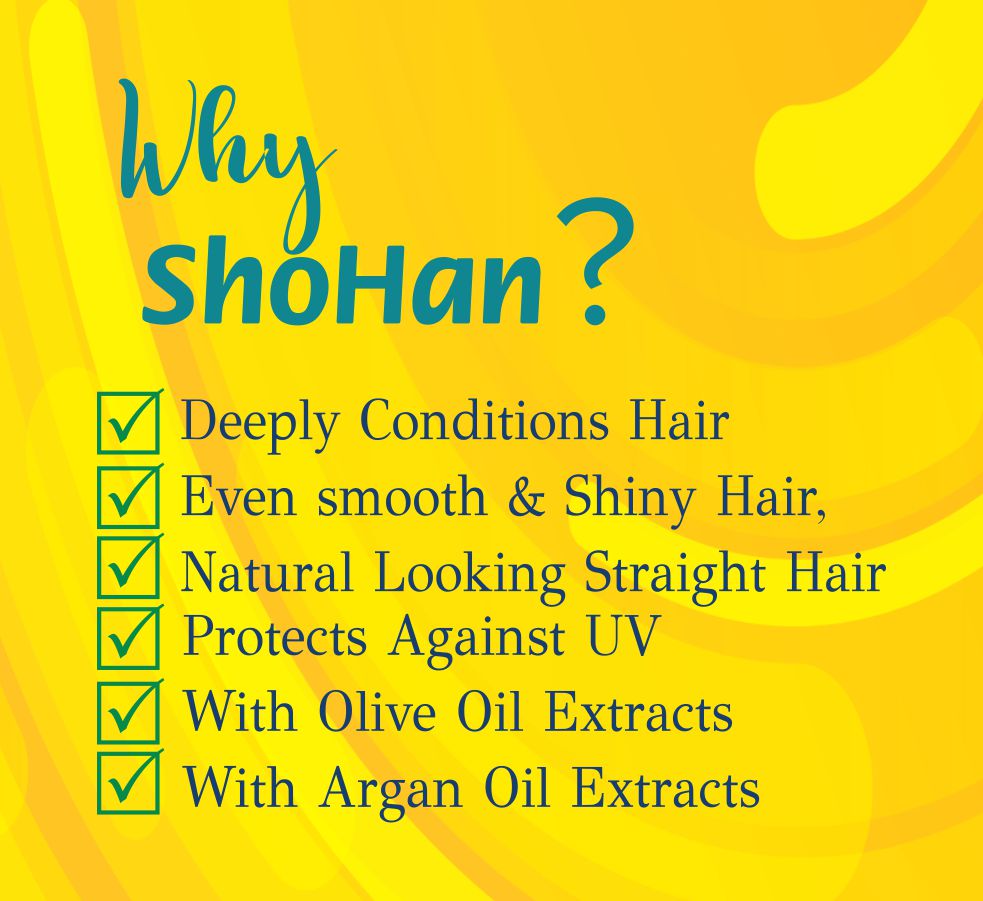
Let’s break it down: this isn’t your average chemical straightener. It’s a nourishing relaxer—like giving your hair a relaxing spa day with a side of discipline. Infused with argan oil, which we all know is like liquid gold for your strands, and olive oil, the OG hair hero from your grandma’s kitchen—ShoHan doesn’t just flatten curls, it feeds your hair while doing it.
I used it before a cousin’s wedding (you know how Indian weddings go—4 days, 5 events, 200 bobby pins) and let me tell you, not a single strand misbehaved. My hair stayed shiny, manageable, and most importantly, didn’t feel like straw afterward.
The best part? It doesn’t reek of harsh chemicals. ShoHan’s formula is free of phthalates, and gentle enough that my scalp didn’t throw a tantrum. Plus, it shields your hair from UV rays—because why should your sunscreen have all the fun?
Also, let’s talk split ends. I’ve been dodging haircuts for months (don’t judge), and this relaxer actually helped seal them up a bit. It’s like it bribed my hair into behaving.
But hey—this isn’t a slap-it-on-and-go situation. Follow the steps, do the strand test, and for the love of hair gods, wear gloves. Take your time, treat it like a ritual, and your hair will reward you.
So if you’re tired of looking like you just walked through a wind tunnel every time you step outside, give ShoHan a shot. It’s not just about straight hair—it’s about feeling in control again.
Benefits of No-Lye Hair Relaxers
There are several reasons why many people choose no-lye relaxers over traditional lye relaxers. Here are some of the key benefits:
1. Gentler on the Scalp
One of the biggest advantages of no-lye relaxers is that they are typically gentler on the scalp than their lye counterparts. Lye relaxers, which contain sodium hydroxide, can cause chemical burns or irritation if left on the scalp for too long. No-lye relaxers, using ingredients like calcium hydroxide, are much milder and less likely to cause discomfort, making them ideal for individuals with sensitive skin or scalps.
2. Suitable for Fine Hair
No-lye relaxers are often better suited for individuals with finer hair. The milder chemicals in no-lye relaxers provide a less aggressive straightening effect, which can help prevent damage to delicate or thinner hair. These relaxers tend to work best on hair with less density or texture.
3. Reduced Risk of Hair Breakage
No-lye relaxers are generally less harsh on the hair, which can help prevent breakage that may occur when using stronger chemical treatments. While hair can still become dry and brittle from any relaxer treatment, the gentler formulation of no-lye relaxers may help minimize the risk of severe hair damage or thinning.
4. Less Scalp Sensitivity
For individuals who have experienced scalp irritation or burns from lye relaxers in the past, no-lye relaxers offer a less painful alternative. The risk of burns or inflammation is reduced because the chemicals are less alkaline and less reactive with the scalp.
5. Effective for Softening Curls
If you’re looking to soften and loosen your curls rather than completely straighten them, a no-lye relaxer is an excellent choice. It provides a smoother, more manageable texture without completely erasing your natural curl pattern. This option is ideal for individuals who want to reduce frizz but still want to maintain some volume and body in their hair.
Potential Drawbacks of No-Lye Relaxers
While no-lye relaxers offer several benefits, there are some drawbacks to consider before deciding to use one:
1. Mineral Buildup
One of the common issues with no-lye relaxers is that they can leave mineral deposits on the hair. Calcium hydroxide, for example, can cause a buildup of minerals that may leave the hair feeling dry, dull, or lifeless. To counter this, it’s essential to use a clarifying shampoo periodically to remove mineral buildup and maintain hair health.
2. Less Dramatic Straightening
Compared to lye relaxers, no-lye relaxers may not straighten hair as dramatically. If you’re seeking pin-straight hair with no curl, a no-lye relaxer might not provide the results you desire. However, for those looking for a looser, more natural look, no-lye relaxers are an excellent option.
3. Slightly Longer Processing Time
No-lye relaxers may take a bit longer to process than lye relaxers. Because the chemicals are milder, they need more time to break down the hair’s natural bonds and produce the desired straightening effect. This can add additional time to your salon visit.
4. More Frequent Touch-Ups
While no-lye relaxers do provide long-lasting results, they often require more frequent touch-ups compared to lye relaxers. The less aggressive formulation means that the effects may wear off a little faster, especially for individuals with very curly or coarse hair.
When choosing a no-lye relaxer, it’s important to select one that suits your hair type, texture, and desired results. Here are some popular and highly-rated no-lye relaxers that have garnered positive reviews:
ORS (Organic Root Stimulator) Olive Oil Relaxer is one of the most popular no-lye relaxers on the market. It contains olive oil, which is known for its moisturizing and conditioning properties. This relaxer is ideal for individuals who want to achieve a smooth, straight look while maintaining healthy hair.
2. Mizani Butter Blend Relaxer
Mizani’s Butter Blend Relaxer is a no-lye relaxer that’s designed for individuals with thick, coarse, or resistant hair. The formula contains nourishing ingredients like shea butter and coconut oil, which help hydrate and protect the hair during the straightening process. It also helps to maintain hair softness and strength.
3. SoftSheen-Carson Optimum Care No-Lye Relaxer
SoftSheen-Carson’s Optimum Care No-Lye Relaxer is a great choice for individuals with dry or damaged hair. It is formulated with a special blend of conditioning ingredients to leave the hair soft, smooth, and healthy after use. It’s gentle yet effective, making it a popular choice for people with sensitive scalps.
4. Luster’s S-Curl No-Lye Relaxer
Luster’s S-Curl No-Lye Relaxer is a well-known brand that offers a gentle formula for those who want to soften their curls without completely straightening their hair. This relaxer is designed for men and women with curly or coarse hair and provides manageable results with minimal damage.
How to Care for Your Hair After Using a No-Lye Relaxer
After applying a no-lye relaxer, proper hair care is essential to maintain the health, shine, and strength of your relaxed hair. Here’s how you can protect and nourish your hair after the treatment:
1. Moisturize Regularly
Relaxed hair is more prone to dryness, so deep hydration is crucial. Use a moisturizing shampoo and conditioner, followed by a leave-in conditioner to maintain softness and prevent brittleness.
2. Use Protein Treatments
No-lye relaxers can weaken the hair structure. To rebuild protein bonds and restore elasticity, incorporate a protein-rich hair mask or treatment at least once every two weeks.
3. Avoid Heat Styling Tools
Limit the use of flat irons, curling irons, and blow dryers. If you must use heat, apply a heat protectant spray to prevent additional damage.
4. Trim Split Ends
To keep your hair looking healthy and to encourage growth, trim split ends every 6–8 weeks. This prevents breakage and helps maintain smooth, straight hair.
5. Clarify Occasionally
Because no-lye relaxers (especially those containing calcium hydroxide) can lead to mineral buildup, use a clarifying shampoo once a month to remove residue and keep your hair light and shiny.
6. Sleep Smart
Use a silk or satin pillowcase or wrap your hair in a satin scarf to reduce friction while sleeping, minimizing breakage and frizz.
Conclusion
If you’re looking for a hair straightening option that is gentler on the scalp, better suited for sensitive skin, and ideal for fine or delicate hair, a no-lye relaxer is a great choice. It delivers smooth, manageable hair with less risk of scalp burns or irritation compared to traditional lye-based relaxers.
However, it’s important to remember that no-lye relaxers require regular moisturizing and occasional clarifying to counteract potential mineral buildup. With the right aftercare and attention, you can enjoy healthy, straight, frizz-free hair that feels soft, shiny, and strong.